As an English speaker, when traveling abroad my eye often goes straight for written English. I found this to be especially true when traveling around South Korea last month. Even though some Chinese characters are used in Korea, and I know a few having lived in Japan in my youth, the Hangul writing system is prominent throughout the country and remains foreign to me.
Yes, I’ve heard that in just a few hours a person could learn how to sound out the Hangul writing system. It consists of 19 consonant and 21 vowel letters, which makes it sound easy to learn; however, the letters are arranged in blocks to form syllables that can look like Chinese characters. Mathematically, that means more than 11,000 syllables could be formed, though about 256 are commonly used. So in my preparation for the trip, I decided to forego learning how to read and to focus on learning how to speak a few key phrases, and how to listen (I was even told that I had good Korean pronunciation).
Anyway, did you know that there are “only” about 375 million native English speakers in the world, though 1.5 billion people are said to be able to speak English? English is all over Korea. Most of it is perfectly fine. Some of it is strange.
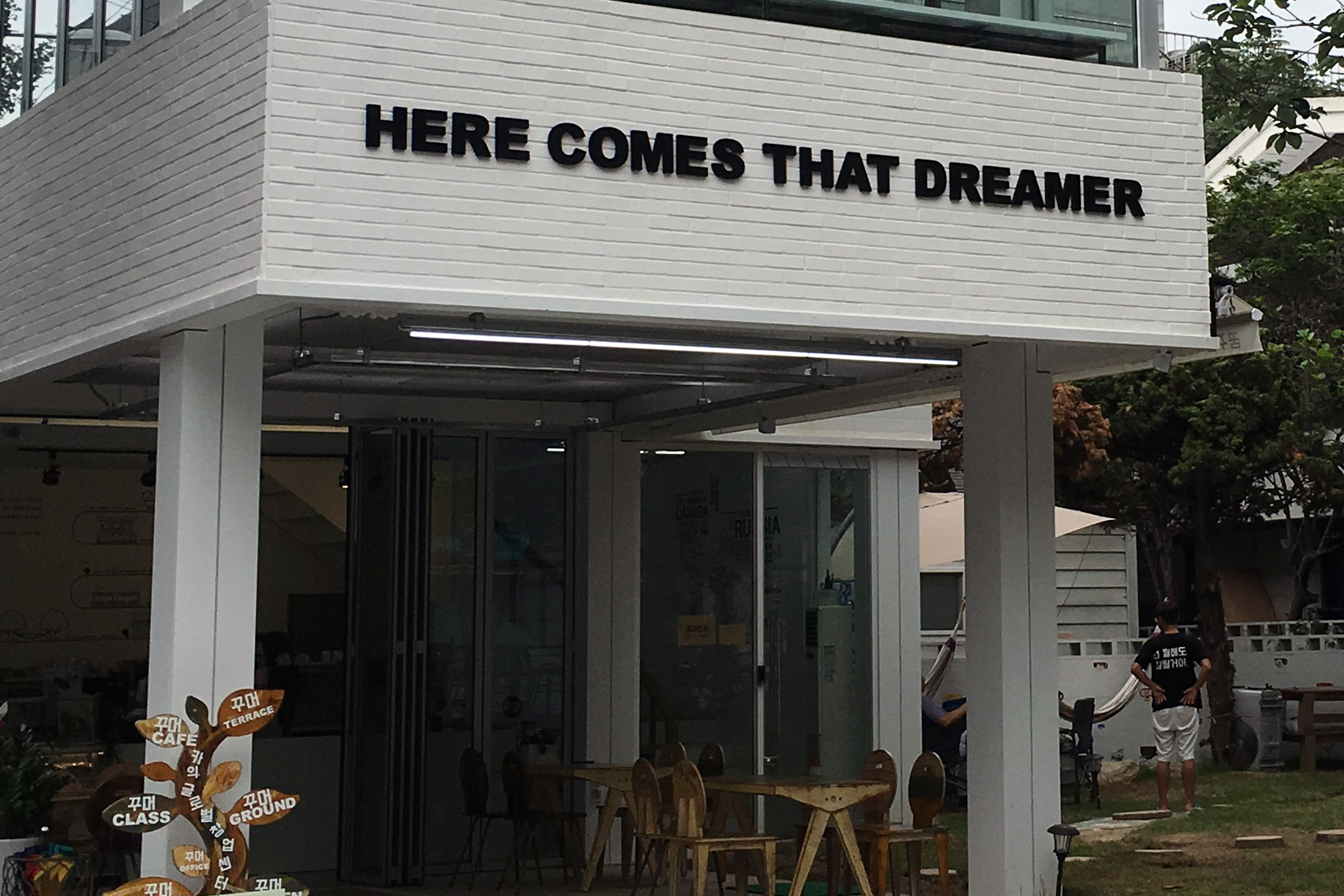
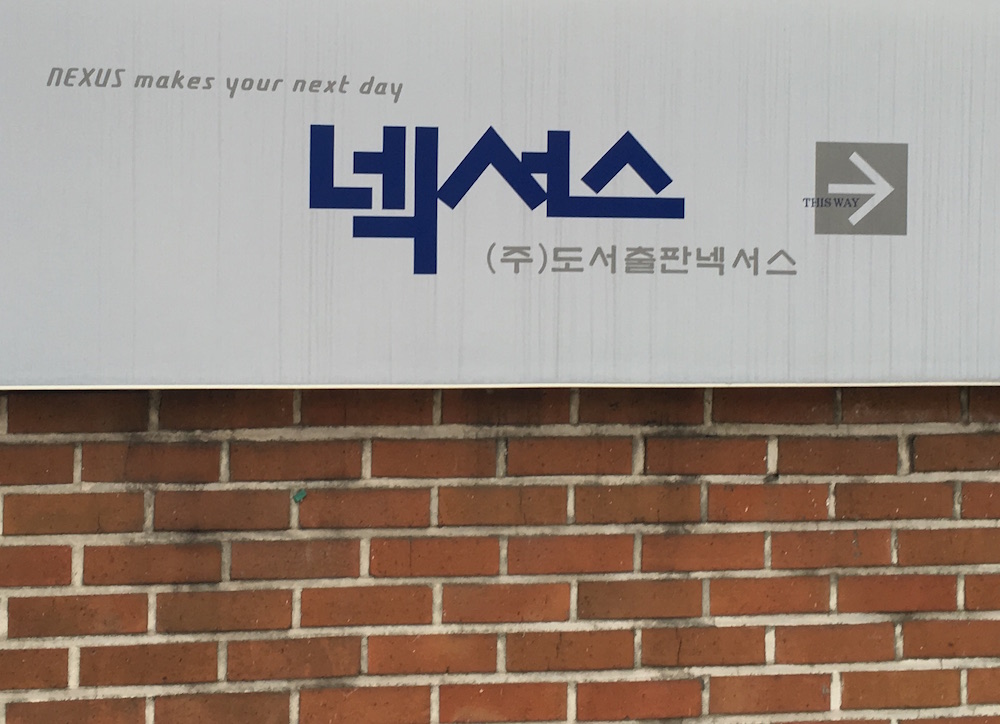
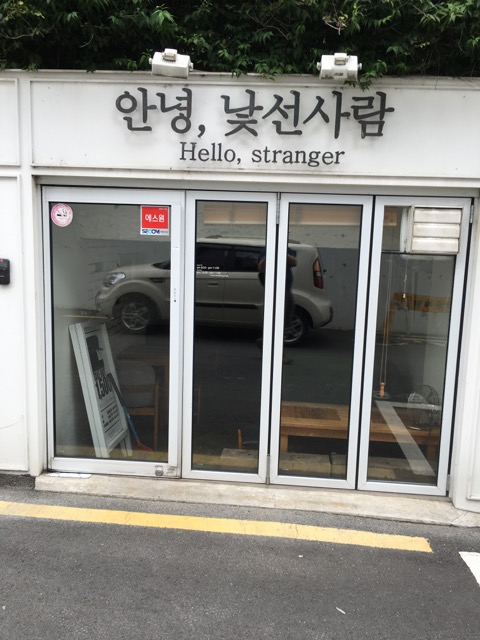
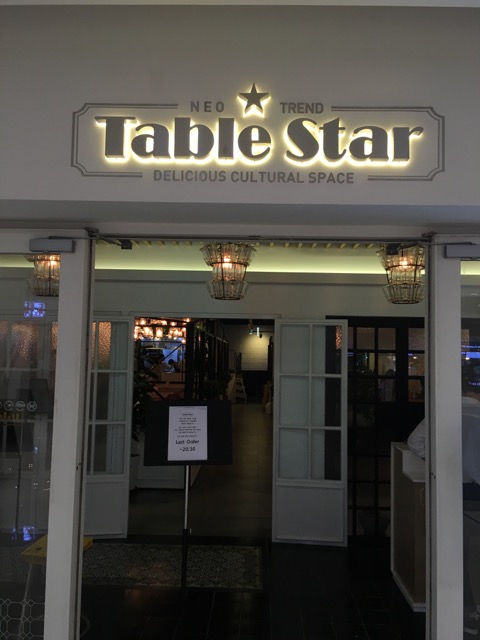
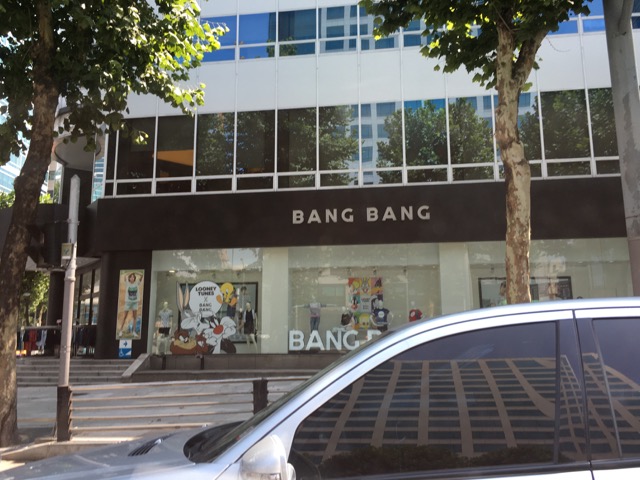
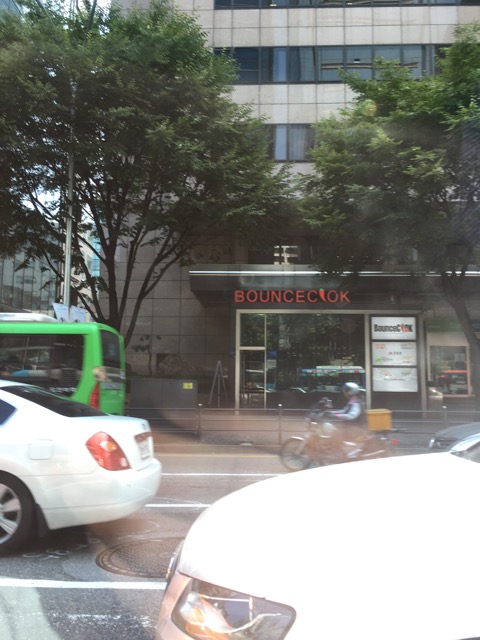
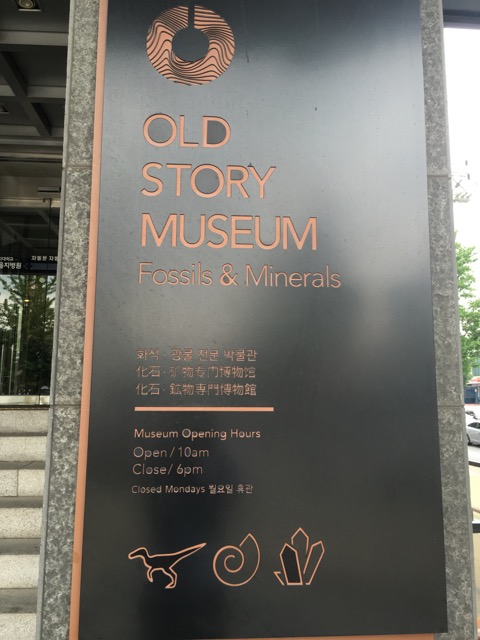
Here are some signs in English from Seoul.




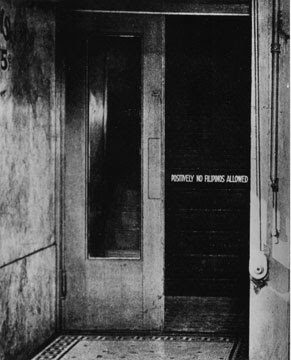 I came across this image while looking up something else. I couldn’t find the name of a photographer for it, though some say it is likely a hotel in Stockton, California, in and around 1930. Though I had read about such signs, especially in the great Carlos Bulosan book America is in the Heart, I hadn’t seen one before.

