Thank you, The Ekphrastic Review, for publishing my poem!
You can read it here: http://www.ekphrastic.net/ekphrastic/that-day-in-assissi-by-michael-janairo
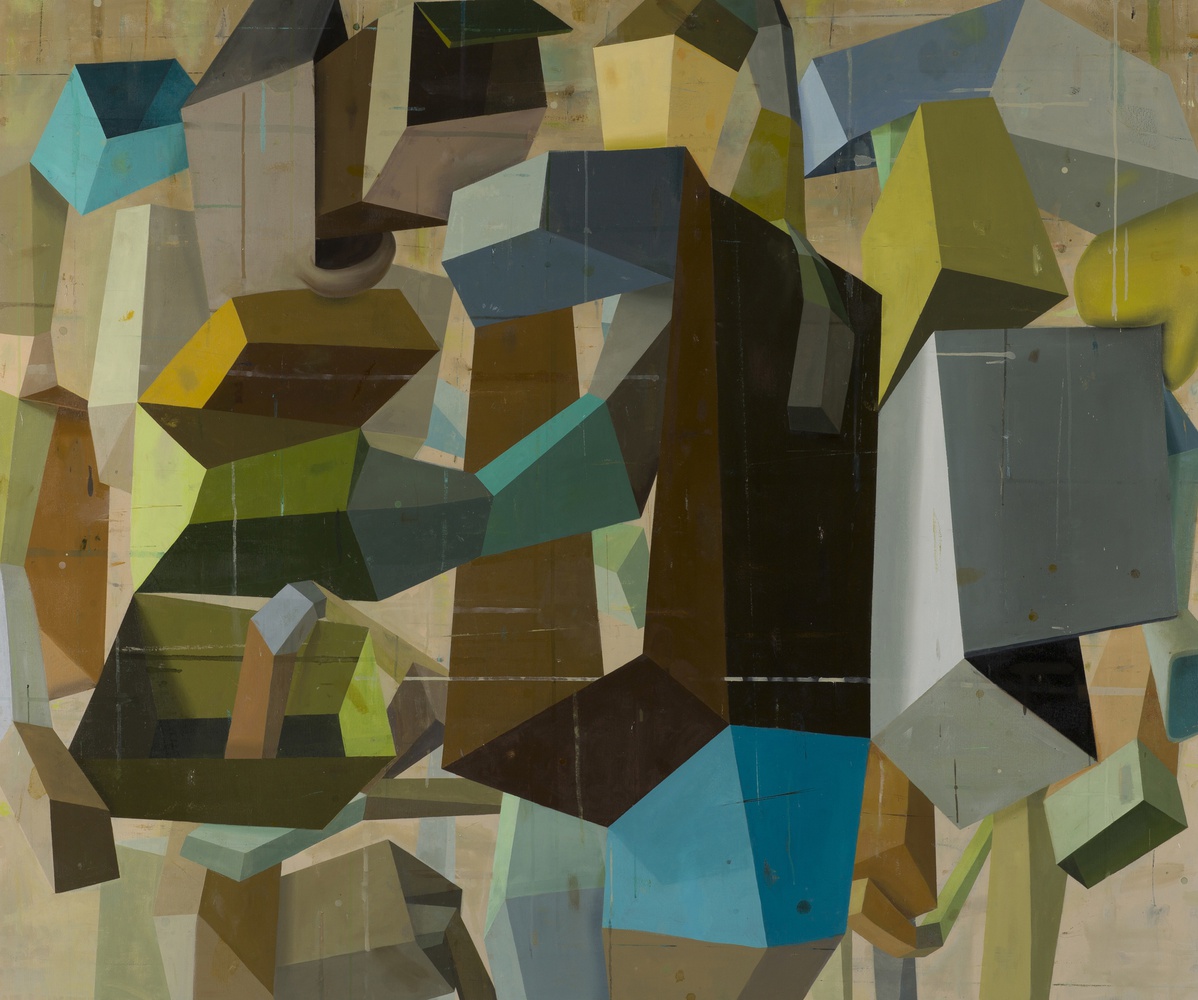
It is inspired by this painting:
Thank you, The Ekphrastic Review, for publishing my poem!
You can read it here: http://www.ekphrastic.net/ekphrastic/that-day-in-assissi-by-michael-janairo
It is inspired by this painting:
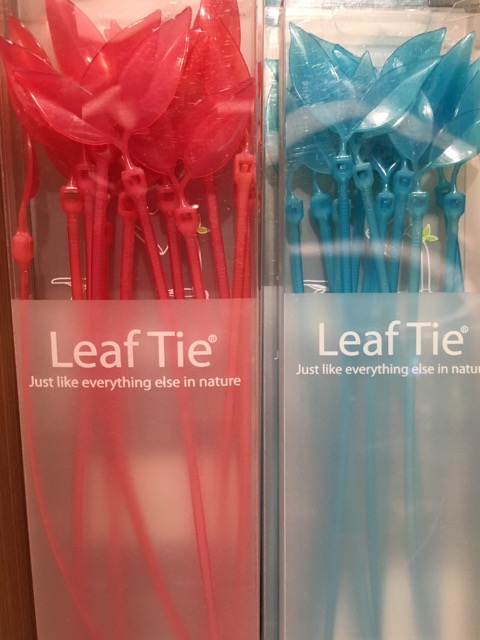
Here’s another bit of English from Korea. Here’s more info about the the firm that made these, Lufdesign.
The following book review originally appeared in the July 31, 2005, edition of the Albany Times Union. A recent op-ed in The Washington Post by Fareed Zakaria called “The unbearable stench of Trump’s B.S.” references the book in describing the extreme lack of concern for the truth in statements from the Republican presidential candidate. The book, though, isn’t about Trump in general; rather, it is a challenge to everyone to examine how we may add to the world’s B.S. through our own contributions or by allowing others to get away with it.
 ‘Hot air’ philosophy brings world into focus
By Michael Janairo
For reasons that will be obvious, the title — and thus the subject — of the book in this review cannot be printed in its entirety in a family friendly newspaper such as the Times Union.
That word (think bovine excrement), the author writes, is sometimes replaced by humbug, balderdash, claptrap, hokum, drivel, buncombe, imposture or quackery . But the book rightly calls these words “less intense” and suggests they have more to do with “considerations of gentility” than the phenomenon to which they refer. They lack the sharpness and subversion inherent in the vulgarity.

As an English speaker, when traveling abroad my eye often goes straight for written English. I found this to be especially true when traveling around South Korea last month. Even though some Chinese characters are used in Korea, and I know a few having lived in Japan in my youth, the Hangul writing system is prominent throughout the country and remains foreign to me.
Yes, I’ve heard that in just a few hours a person could learn how to sound out the Hangul writing system. It consists of 19 consonant and 21 vowel letters, which makes it sound easy to learn; however, the letters are arranged in blocks to form syllables that can look like Chinese characters. Mathematically, that means more than 11,000 syllables could be formed, though about 256 are commonly used. So in my preparation for the trip, I decided to forego learning how to read and to focus on learning how to speak a few key phrases, and how to listen (I was even told that I had good Korean pronunciation).
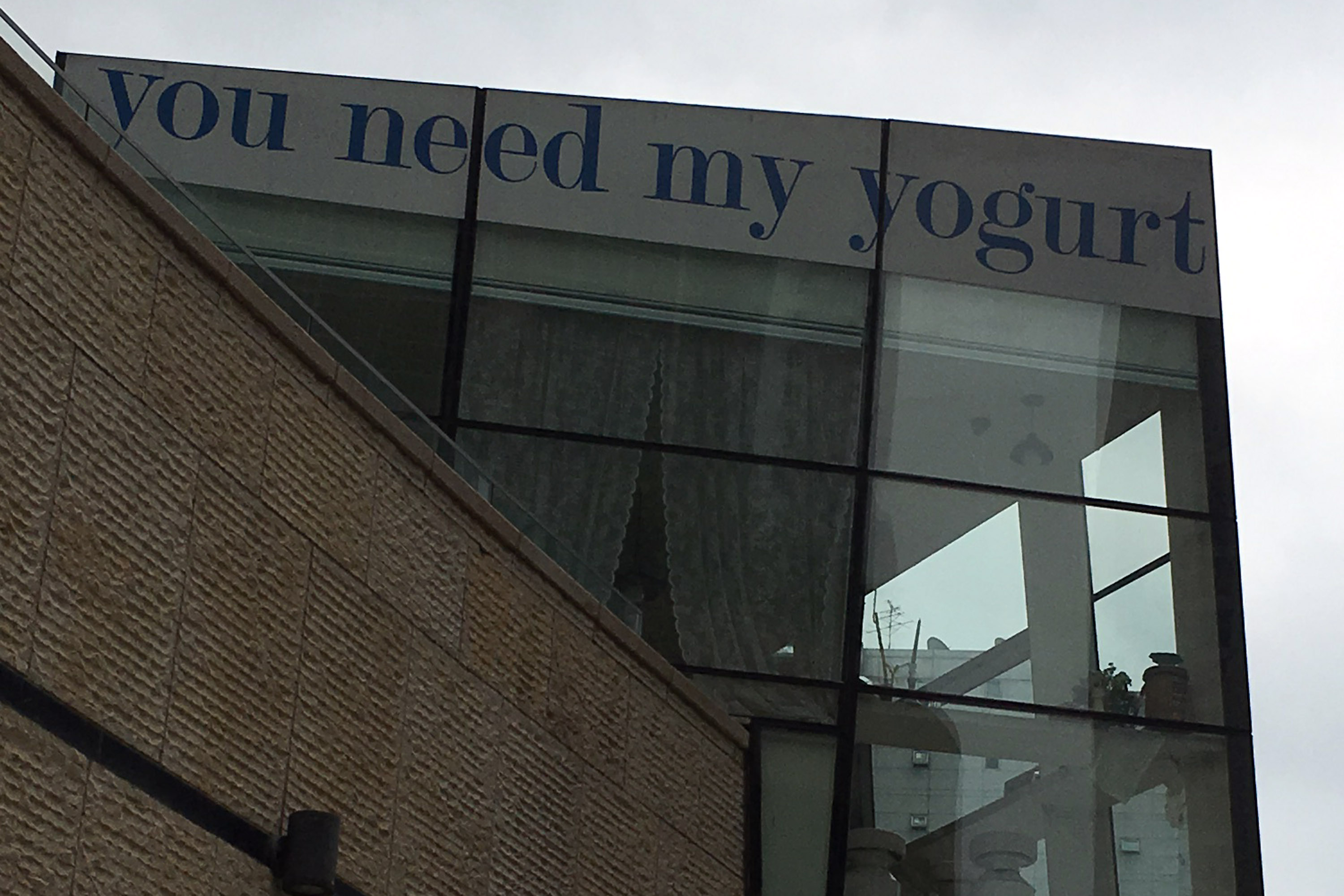
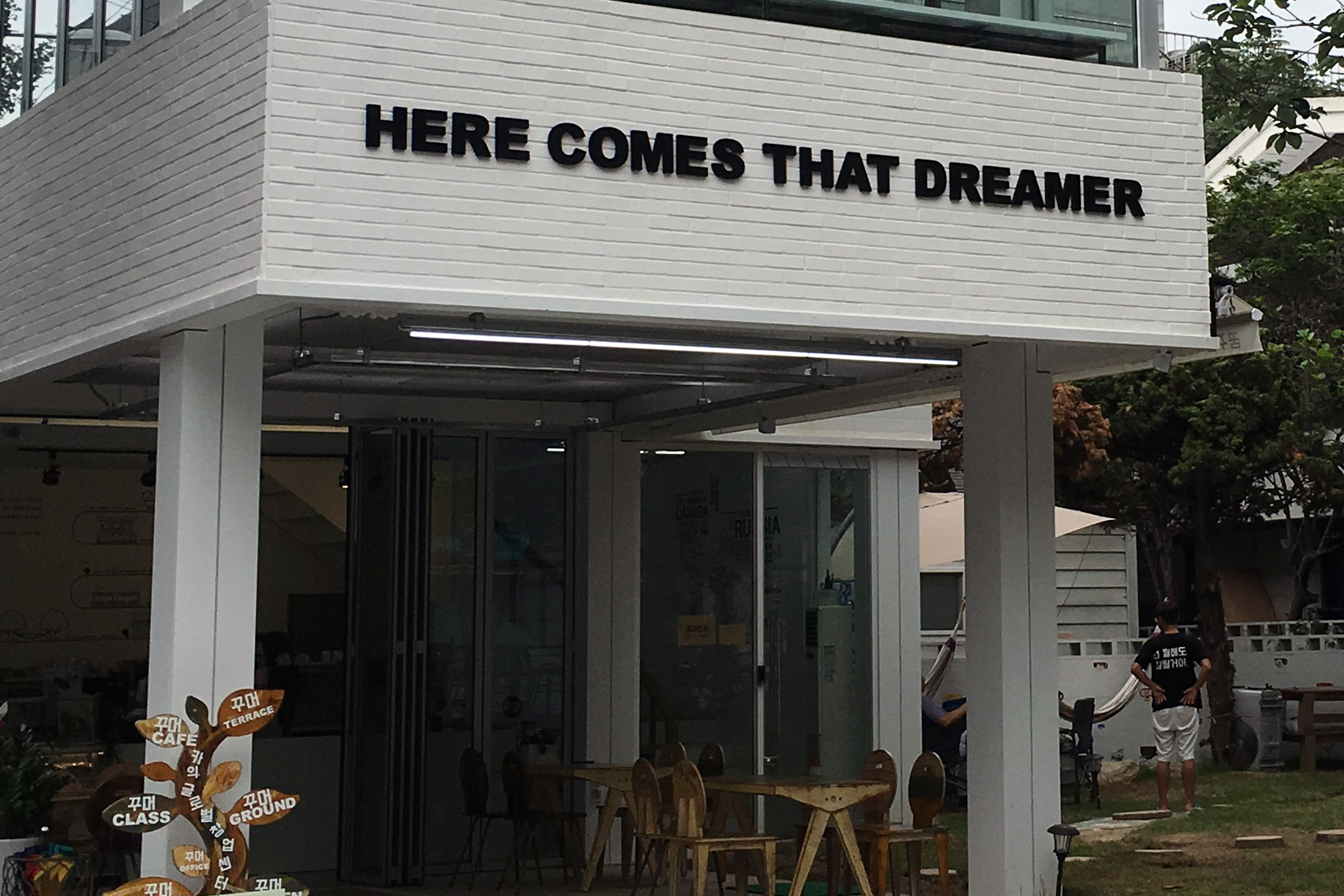
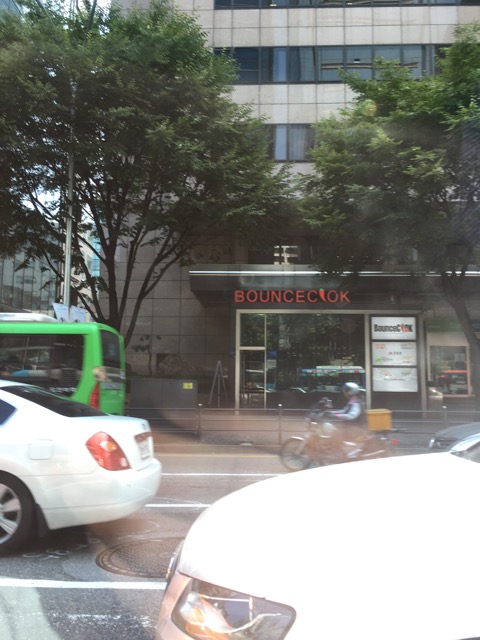
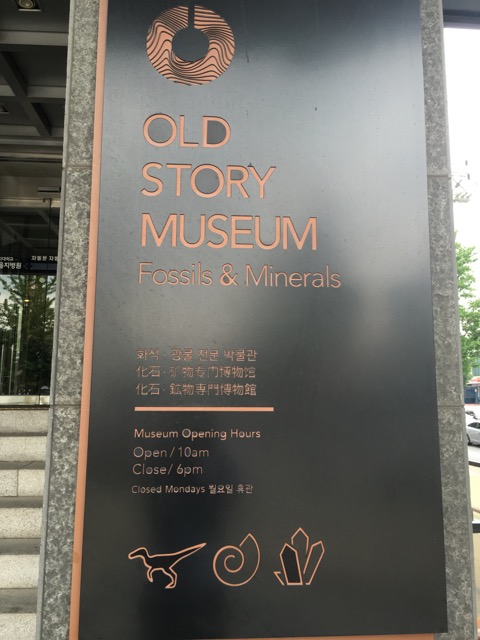
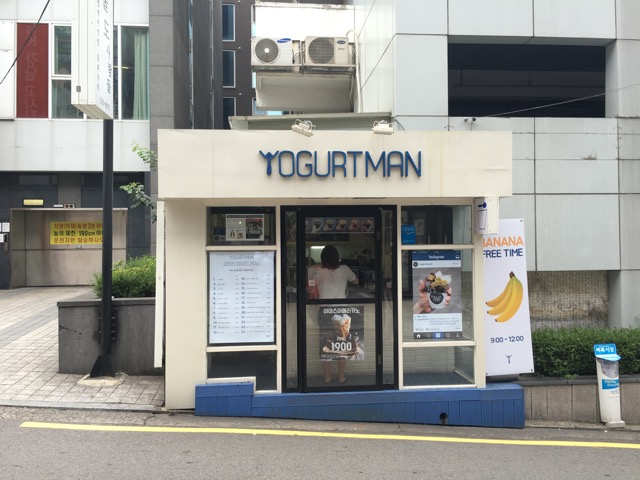
Anyway, did you know that there are “only” about 375 million native English speakers in the world, though 1.5 billion people are said to be able to speak English? English is all over Korea. Most of it is perfectly fine. Some of it is strange.
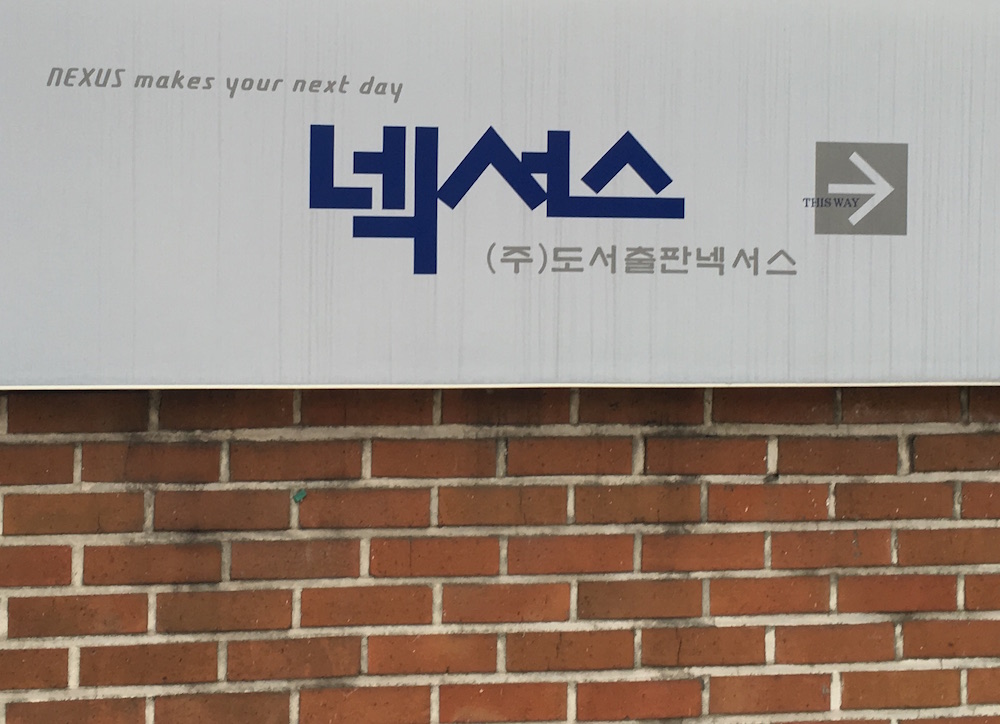
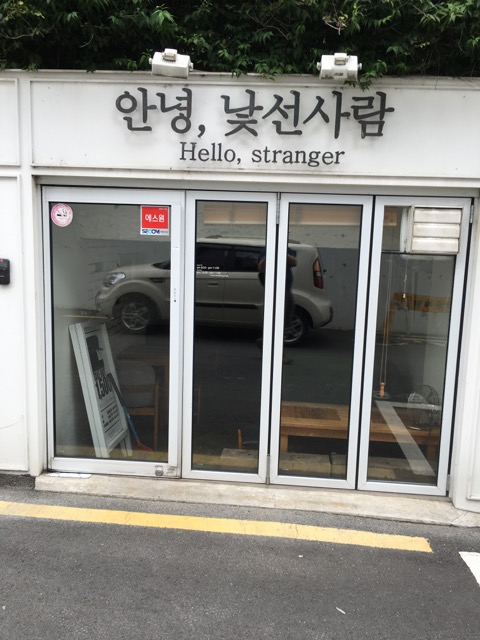
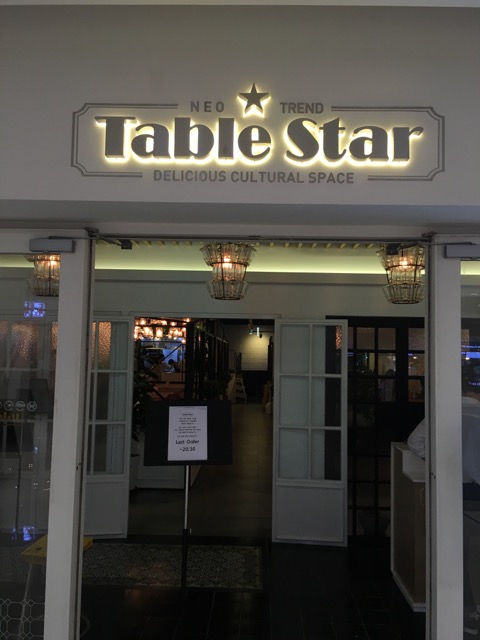
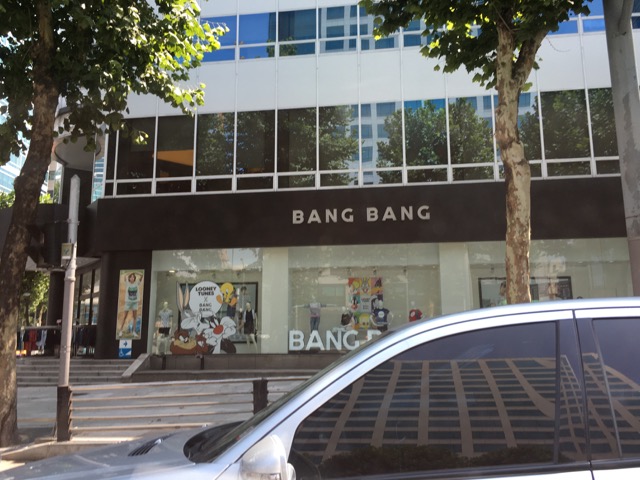
Here are some signs in English from Seoul.


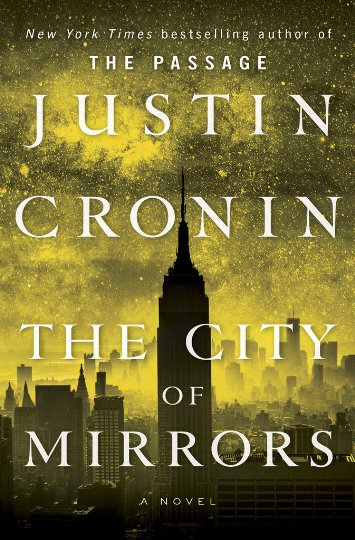 Seriously, don’t read this if you don’t want spoilers. It’s been six long years since “The Twelve” (which came out only two years after “The Passage”), so don’t let this review spoil your own anticipation. OK?
Got it?