One of the things I’ve come to enjoy about Twitter is the ease with which people can change their names, especially around Halloween. It’s like an easy avatar costume.
In the newspaper business, we avoided using people’s names in a humorous way. But with these names popping up for local elections, I can’t help but wonder if these names are truth in advertisements.
“OMG,” Brian Kane, 2011, Red vinyl, metal, electronics, is on exhibit at the Albany Airport Gallery’s “LOL” show, from Oct. 1, 2011, to March 25, 2012. (Photo Courtesy Albany Airport Gallery)
Originally posted October 10, 2011: Capital District Sings at timesunion:
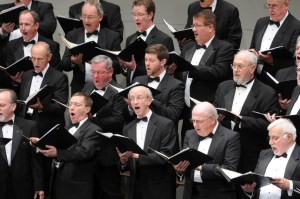
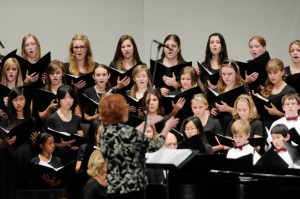
Capital District Sings brought together a bunch of choruses on Sunday afternoon at Proctors in Schenectady. Albany Pro Musica hosted the event that also featured Albany Gay Men’s Chorus, Chinese Community Center Chorus, Ne’imah Jewish Community Chorus, Electric City Chorus, Capital District Youth Chorale, Mendelssohn Club and the Octavo Singers.
I am still in disbelief that Mike Jarboe is gone. I am so glad to have read so many stories about him and tributes to him, and that his family knows how many people he has touched and how deeply. Everyone who’s ever met Mike Jarboe has a Mike Jarboe story. Here are some of the things that come to my mind.
We worked together on the Times Union news copy desk for about six years. One of the best things for me about those years were the “slot/rim” meetings I had with him.
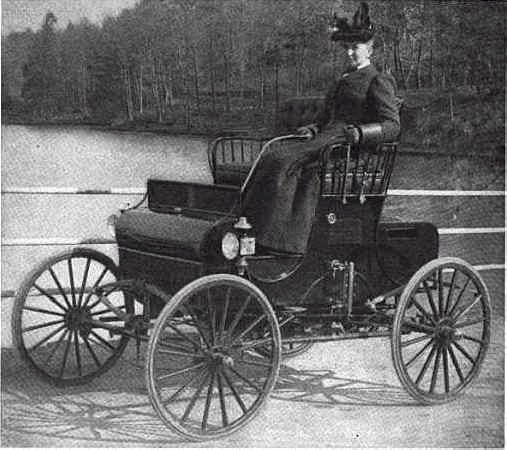
A horseless carriage (1901 Kidder Steam Wagon by the Kidder Motor Vehicle Co. in New Haven, Conn.) from the New England Historical Society.
One thing I often say to visitors to the contemporary museum where I work is that when they look at something they don’t quite understand their brains will try to make meaning out of the new or strange thing by equating it to things they already know. That is, the experience of something new is filtered by the past: we are always moving forward with our eyes on history.
I recently heard or read something (maybe it was a podcast?) that said language works in a similar way: a new thing is named by its relationship to the past. Thus, we didn’t have “cars” at first, we had “horseless carriages.”
The podcasters were bringing this up in relationship to the clumsy name we now have for the latest vehicular technology: the self-driving vehicle. I have a name for it: automobile, which is a combination of the Greek for “self,” and the Latin for “movable.”
Yes, of course, I know people call their Priuses (Priuii?) and SUVs and Beamers “automobiles,” but I’d argue that the term has been wrong all long. None of those vehicles drove themselves. They all required an operator, or a driver, which is also an interesting word. And the act of driving, of course, is what makes a term “self-driving” necessary, because we understand “automobile” to mean a vehicle that is driven (though that isn’t literally what it means).
This kind of word repurposing is nothing new. The word “car” itself is quite old, from the fourteenth century, referring to vehicles with wheels in Latin (carrus), and also thought to be related to a similar word “carriage,” which just means to carry and is said to be from the twelfth century.
Anyway, this is just to say that it doesn’t seem unlikely that soon-ishly (maybe in twenty years) English speakers will finally be using the “automobile” correctly, in reference to self-driving vehicles.