Peace, Prosperity and Happiness in the New Year!
Author: Michael Janairo
-
Today’s earworm: All Night Long by Lionel Richie
Did you catch the Kennedy Center Honors TV show? It took my spouse and I a couple nights to watch the show, which ended with a tribute to crowd-pleaser Lionel Richie and a medley of his hits sun by Leona Lewis, including “All Night Long.”
Now we can’t get it out of our heads. See the Richie video above, and the clip from the TV show below.
Enjoy.
And a note of trivia: the song lyrics that sound “African” are made up. Read about it here.
-
2017 in Review in Music
 That’s me on the right with some of my museum colleagues playing the gamelan, which was installed in an exhibition. This was my first time playing the gamelan since I was a member of the nascent Pitt Gamelan Ensemble in the fall of 1996, when I was a grad student at the University of Pittsburgh and the Ensemble was a class taught by a grad student and before it became what it is today. I tried looking for any record of that class or the performance we did in December of 1996 at Heinz Chapel, but it seems to have been erased from history. (more…)
 -
2017 Year in Review in Podcasts
 A new podcast for me this year, and for everyone, is Pod Save America, the podcast created by former speechwriters in President Obama’s administration. It acts as a tonic or a resistance in the Trump era. It seems to be a successful rallying cry so far for people who are disillusioned at the current government. It is one of the most popular podcasts now. They are even taking the show on the road. It is released twice a week, on Mondays and Thursdays, which is a little too much for me. I enjoy the Monday ones the best, probably because the hosts are Jon Lovett and Tommy Vietor, in addition to Jon Favreau, who I think do a better job than for the Thursday show when it is just Favreau and Dan Pfieffer. Favreau is usually in the role of setting things up, kind of the straight man, so it is stronger when there are two people playing off him instead of one (and Pfeiffer does have a hesitating way of speaking that isn’t great for audio). Also, as the show develops further, they have to find a way of better integrating the guest interviews with the introductory news punditry round-up: too often they steal the thunder from their guests, and so why listen to their guests?
You can find the podcast here: https://crooked.com/podcast-series/pod-save-america/
-
2017 in Review in Publishing


Thank you goes out to all the readers out there who’ve read my stuff, and to the editors and publisher who put my poetry and fiction out there for the world to read. (more…)
-
2017 Year in Review in Reading
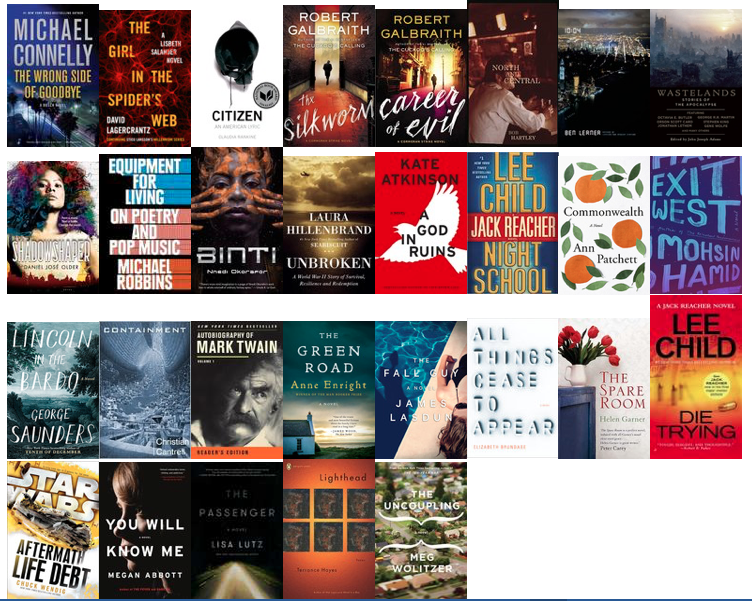
I always feel like I’ve never read enough.
These are the covers of the 30 books I completed reading in 2017, though some I may have started the year before. Some of the books are important. Some of them are fun. Some are both. (more…)
-
‘Last Jedi’ first impressions

Paige Tico (Ngô Thanh Vân aka Veronica Ngo) hero Dim the lights, flash up the Lucas Film logo, and even before the title and scroll hit the screen, I’m in. Double sunsets? I’m a kid again.
I hear some people aren’t happy with The Last Jedi. I must admit I found Luke a little off-putting at first. His entire performance as a reclusive, curmudgeonly Jedi—one who is unhappy with his lot in life—is a decades later call back to his famous New Hope whine “But I was going to Tosche Station to pick up power converters.”
But there were heroes aplenty who stepped up. Paige Tico, for example, is a true hero. What an opening sequence! She is the Jyn Erso of The Last Jedi, sacrificing herself to destroy the fearsome weapon, the Dreadnaught. And, her sacrifice gives her sister Rose a great backstory and gives a role and screen time to a kind of nobody (or another nobody).
-
About those seven words (not George Carlin’s seven)
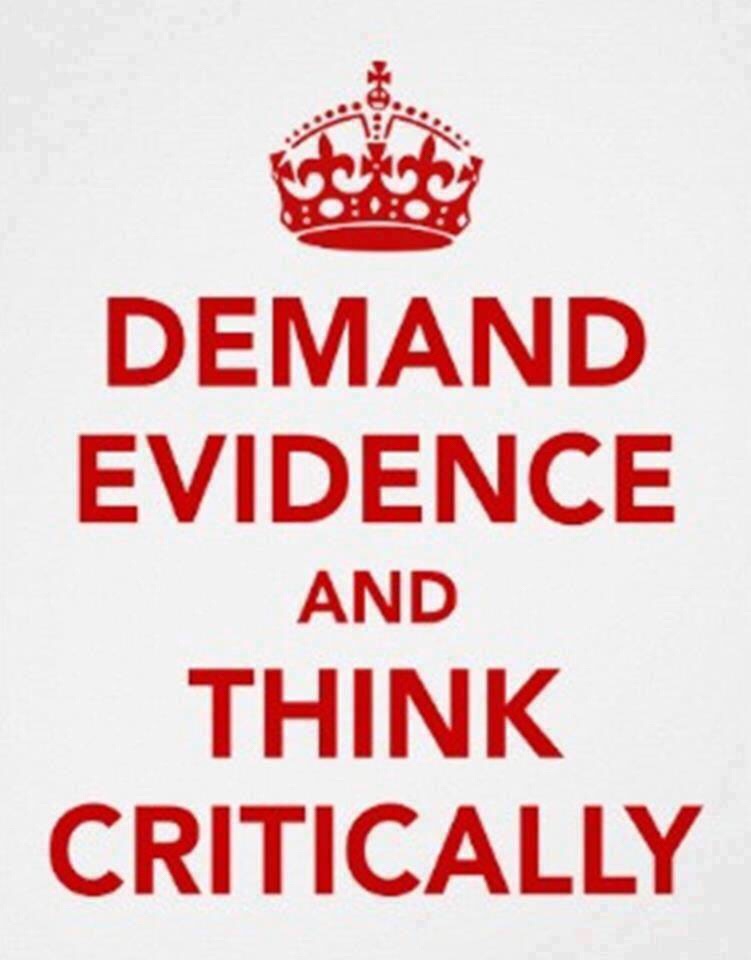 I guess it could seem silly, how fascism works—from the micro to the macro—that seven reasonable terms would become forbidden for the CDC to use. That’s the Center for Disease Control and Prevention. The Atlanta-based federal agency that the U.S. turns to when during vulnerable times, when there’s a need for evidence-based and science-based research so that the diversity of the whole population can stay safe from things like Zika virus or an Ebola outbreak or zombies (see also: Season 1 of The Walking Dead; and Max Brooks’ World War Z).
These are the seven words, as reported by The Washington Post, that the Trump Administration is forbidding policy analysts at the CDC from using: