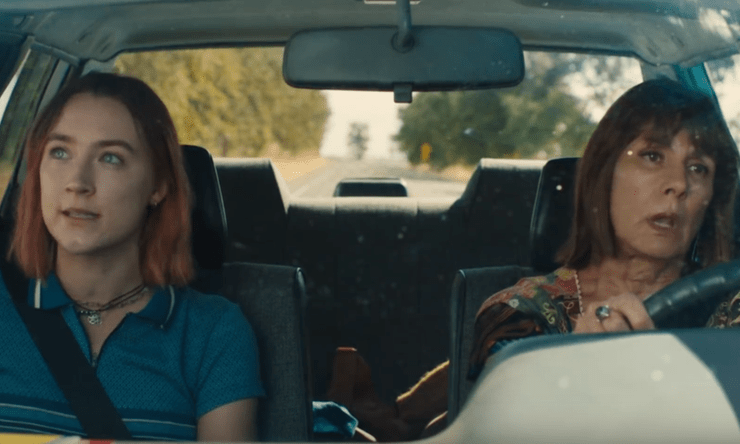
I like to think that Lady Bird is a little bit like the writer-director Greta Gerwig herself: charming, quirky, capable, and maybe, as the kids say these days, a bit extra.
The teenager’s coming of age is a perfectly enjoyable film that deftly covers plenty of the rising and falling action of major teen desires and dramas: Can I get into the college of my choice? Will my parents get off my back? Will I find love? Will I find friends? Who am I?
My pick for best picture and director (though it likely won’t win those), and original screenplay. How long has it been that any movie has tapped the cultural zeitgeist like Jordan Peele’s “Get Out”? Though others have remarked that the movie isn’t a direct reaction to Trump, considering it was written before he announced he was running for president, “Get Out” nonetheless is a reaction to what has been labelled “Trumpism,” which I think just means nativist racism. There are probably spoilers below, but if you haven’t seen this movie yet—it came out more than a year ago—go see it!
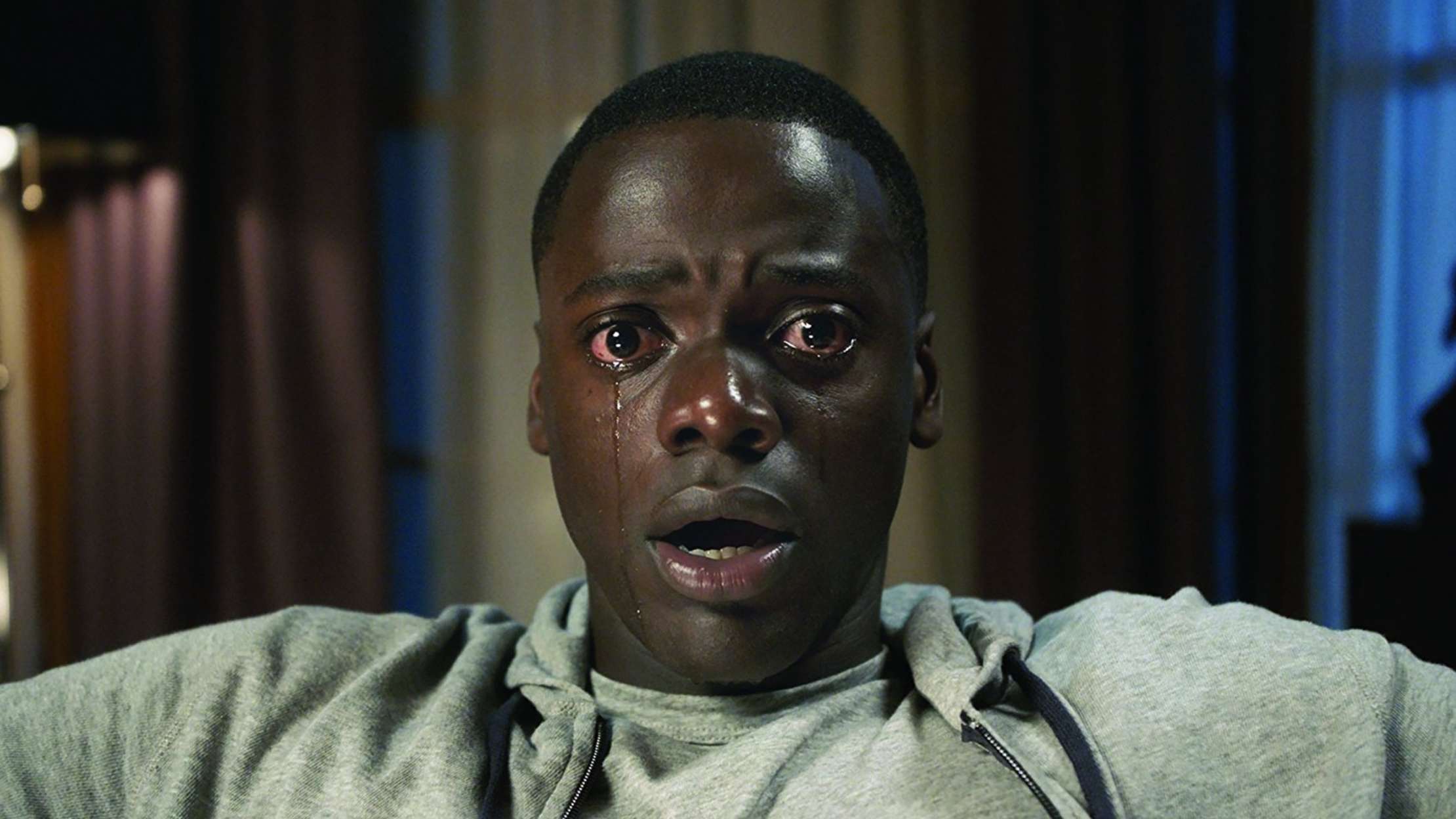
The story centers on a black man in New York City who agrees to visit the upstate home of his white girlfriend’s parents. The British actor Daniel Kaluuya gives a breakout performance as Chris. He is at once warm, easygoing, and open—traits that allow the audience to quickly take his side, especially when he asks his girlfriend if her parents know he’s black and she says no. His eyes are very expressive, from the glint of joy, to furrows of worry, and tears of terror. He carries the film, and his Oscar nomination for best actor is well deserved. Unfortunately for him, he’s going up against heavy-hitters Daniel Day Lewis and Denzel Washington, and the likely winner Gary Oldman, whose won a SAG, BAFTA, and Golden Globe for his role as Winston Churchill in “Darkest Hour.”
A short story I wrote a few years ago that was published in the anthology Veterans of the Future Warshas been recorded as is now available on StarShipSofa, the Audio Science Fiction Magazine.
Check it out on StarShipSofa or listen to it below (the story is introduced by Tony C. Smith and read by Spencer DiSparti):

 A short story I wrote a few years ago that was published in the anthology